Why Batteries Sag Below Freezing
Batteries work by chemical reactions, and cold slows those reactions down. In a lithium-ion cell the electrolyte becomes more resistant, so the battery cannot deliver current as easily. Your device sees voltage drop under load, decides the battery is nearly empty and shuts down. Bring it back to room temperature and much of the "lost" charge reappears.
Charging is a different matter. Most lithium-ion manufacturers specify a charging range starting at around 0 °C, because charging a very cold cell can cause lithium plating — a form of permanent damage that reduces capacity and, in rare cases, affects safety. Many modern devices refuse to charge when too cold. That is a protection feature, not a fault, and it is worth respecting: warm a power bank and phone inside your jacket or sleeping bag before connecting them.
Disposable lithium primary cells (AA and AAA lithium iron disulfide) generally handle deep cold much better than alkaline cells, which is why many winter travellers keep a set in a backup headlamp. They cost more, and a few devices are not rated for their slightly higher fresh voltage, so check the manual.
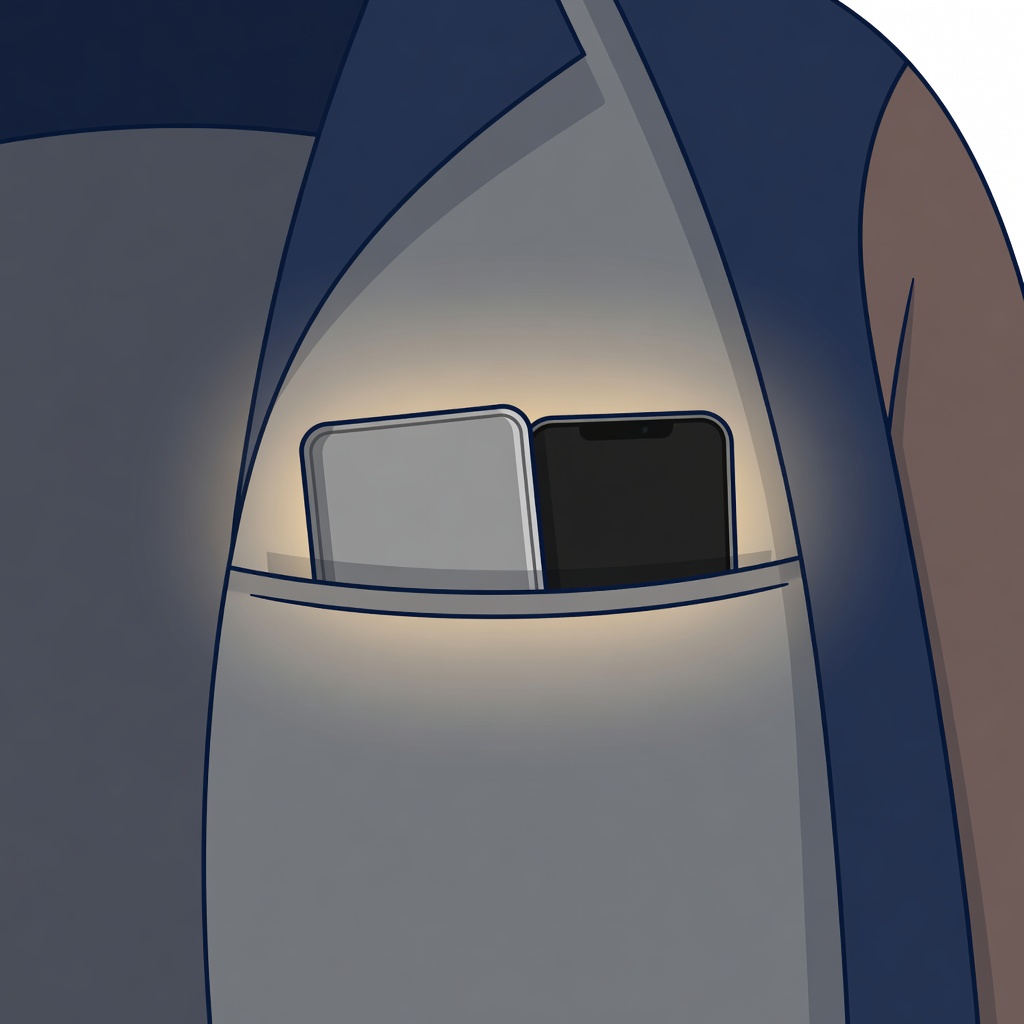
The inner-pocket rule
The most effective cold-weather power trick costs nothing: carry phones, power banks and spare cells close to your body. Short cables let you charge inside a pocket. At night, put them in the sleeping bag with you.
Reading Headlamp Claims
In Tromsø the sun does not rise for roughly two months each winter; in Kiruna and Rovaniemi, daylight in December lasts only a few hours. A dependable headlamp is not optional. Many manufacturers rate lights using the ANSI/PLATO FL1 standard, which defines how lumens, beam distance, runtime and impact resistance are measured. It is a useful common language — with caveats.
FL1 runtime is measured until output drops to 10% of the initial level. A lamp might claim "200 lumens, 40 hours" while spending most of those hours far dimmer than 200 lumens. Tests are also done at room temperature. In practice, look at the regulated output curve if the maker publishes one, and assume shorter runtimes in serious cold.
The features that make a real difference in Nordic conditions are mundane: a switch large enough to operate in mittens, a lock-out mode so the lamp does not switch on in the pack, a red light mode that preserves night vision and is polite in shared cabins, and a battery pack that can be worn under a jacket on a cable for very low temperatures.
| Feature | Why it matters | Priority |
|---|---|---|
| Glove-sized switch | Usable without exposing fingers | High |
| Lock-out mode | Prevents draining in the pack | High |
| Accepts AA/AAA lithium cells | Cold-tolerant backup power | High |
| Red light mode | Night vision, aurora viewing, shared huts | Medium |
| Rear-pack battery or cable | Battery kept warm under clothing | Medium in deep cold |
| Very high peak lumens | Short bursts only; drains fast | Low |
Power Banks, Ports and Panels
Power bank capacity is printed in mAh, but watt-hours (Wh) give a fairer comparison across devices, and Wh is what airlines care about: most carriers allow banks up to 100 Wh in cabin baggage without approval, while checked luggage is not permitted. Expect real usable capacity to be noticeably lower than the label after conversion losses — and lower still in the cold.
Ports are a weak point. Snow melts into USB-C sockets and refreezes; condensation forms when cold gear meets a warm cabin. Rubber port covers help, as does keeping devices in a sealed bag while they warm up indoors so condensation forms on the bag rather than inside the device. Cables stiffen and crack in the cold; braided or silicone-jacketed cables tolerate flexing better.
Solar panels deserve a sober look. Above the Arctic Circle in winter, sun angles are low or the sun is absent entirely. Panels are excellent on long spring days in Lapland, but in December they are mostly ballast.
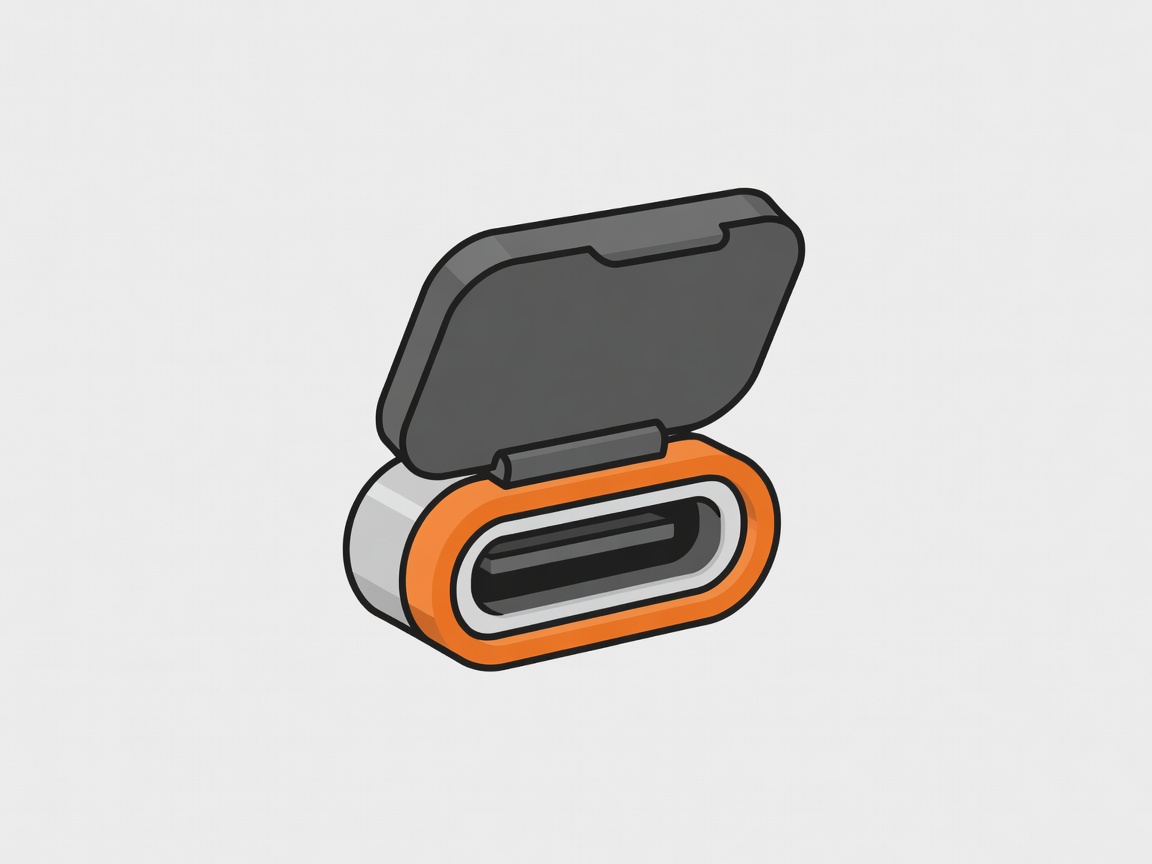 sleet
Protected charging ports
A tethered cover is worth more than a clever charging feature. Check it closes fully with cold fingers.
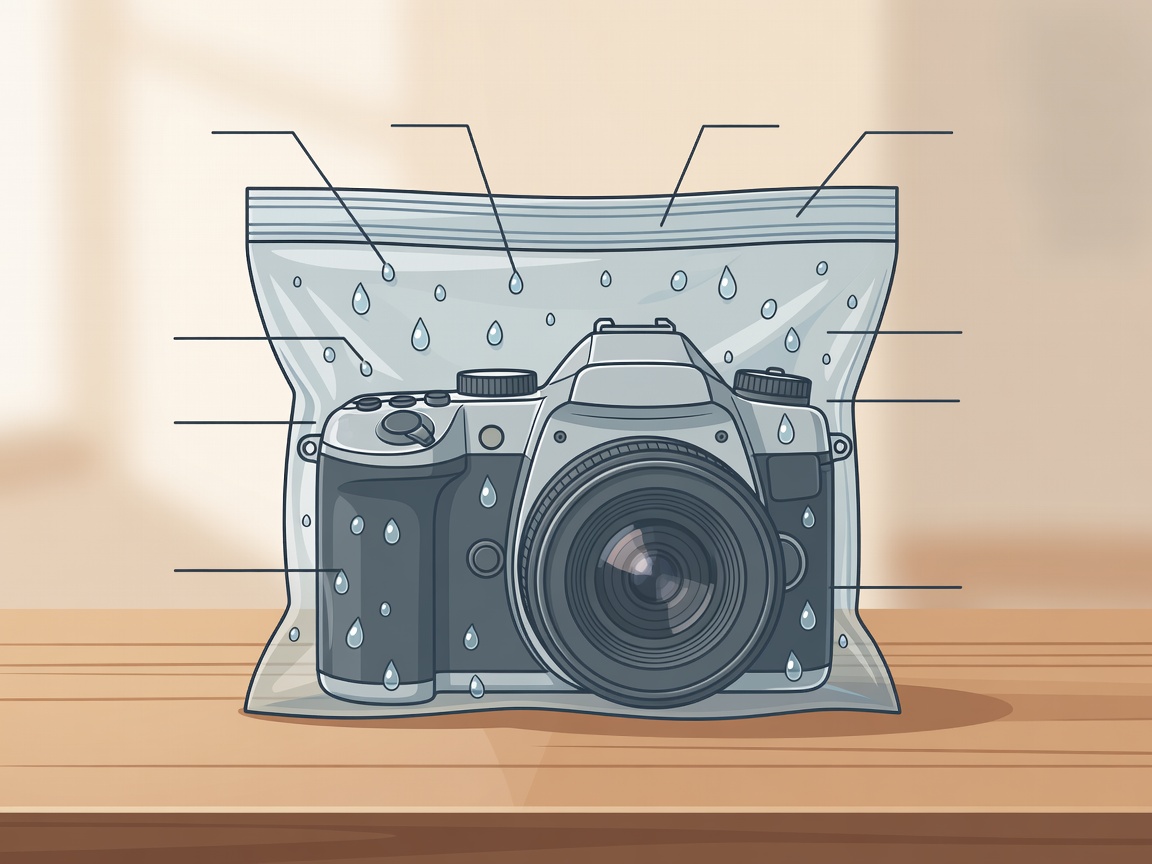 cold to warm
Bag it before you go inside
Seal cold electronics in a bag before entering a warm room and let them warm slowly.