See It Coming
Weatherproofing starts before you pack. Yr, SMHI and the Finnish Meteorological Institute provide hourly detail; in avalanche terrain, Norway's Varsom.no, Sweden's Lavinprognoser and the regional services in Finland add critical warnings. Look at the precipitation type and the freezing level. Rain falling on cold ground, or temperatures hovering around 0 °C, often cause more trouble than a hard frost.
Coastal routes such as those around Lofoten, Senja or the Swedish High Coast can see conditions change within an hour. Inland, places like Finnmarksvidda tend to be colder but drier. The kit list for each is different, and acknowledging that is the first step towards carrying less but carrying right.
What "Waterproof" Actually Means
For electronics, the most reliable label is an IP code under IEC 60529. The second digit describes water protection: IPX4 means protection against splashing from any direction, IPX7 means temporary immersion (typically tested at up to 1 m for 30 minutes), and IPX8 means conditions beyond that, defined by the manufacturer. A product described only as "water-resistant", without a code, gives you very little to go on.
For fabrics, the figure you will see is hydrostatic head — the height of a water column a fabric resists before leaking, often measured using methods such as ISO 811. Higher numbers mean more resistance to pressure, such as kneeling in wet snow or shoulder straps pressing on a shell. Breathability is measured differently, and test methods vary between brands, so comparisons across labels are approximate at best.
Ratings describe new products in a lab. Seams age, zips wear, and dirt degrades water-repellent finishes. Treat any rating as a starting point.
| Rating | Test meaning | Realistic Nordic use |
|---|---|---|
| IPX4 | Splashing water from any direction | Headlamp in sleet or rain |
| IPX5 | Water jets from a nozzle | Driving rain, spray on a boat |
| IPX6 | Powerful water jets | Exposed coastal storms |
| IPX7 | Temporary immersion, typically up to 1 m | Dropped in a stream or puddle |
| IPX8 | Beyond IPX7, as specified by maker | Kayaking, river crossings |
Packing in Zones
Almost no rucksack is waterproof on its own. Fabric may be coated, but seams, zips and the padded back panel let water in. Rain covers help in light rain but can blow off in wind and do nothing for the wet back of a pack. The most reliable approach is a waterproof liner — a large roll-top bag inside the pack — or a set of smaller dry bags.
A roll-top closure needs at least three tight folds to seal properly. Colour-coding dry bags (one for spare insulation, one for food, one for electronics) saves digging in the dark. Pack the items you will need at a stop — a warm jacket, flask, mittens — near the top or in an outer pocket, so you are not unpacking everything in the wind. Keep power and phone close to the body, as we explain on the Field Power page.
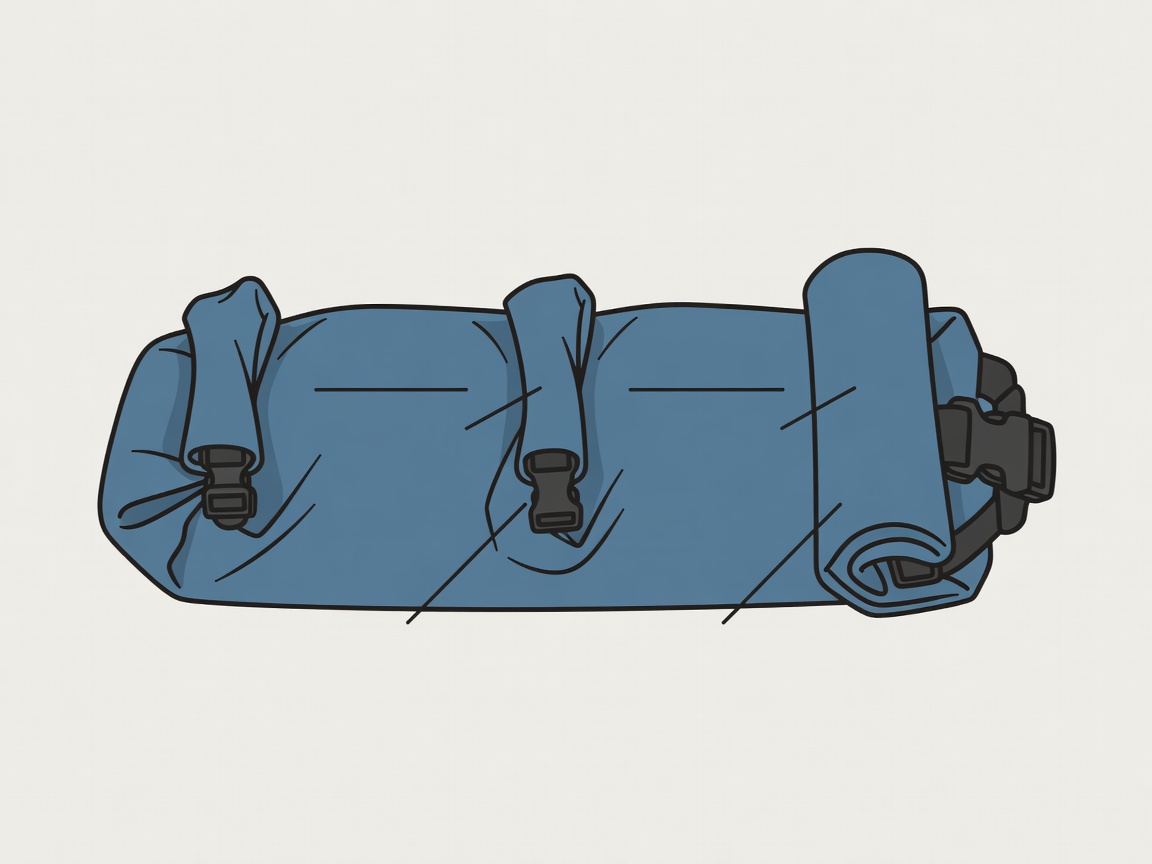 rain
Three folds, minimum
The fold count is the seal. Fewer folds and water wicks inside under pressure.
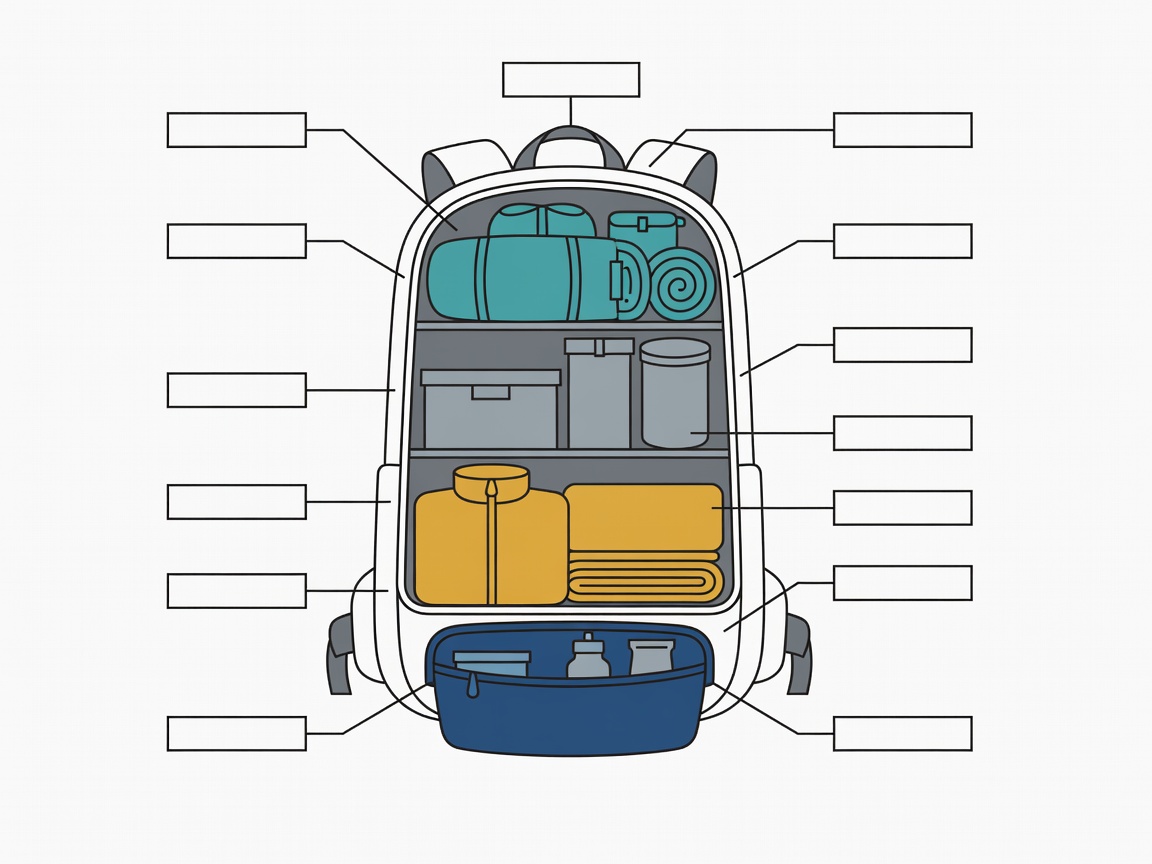 changing weather
Top for the turn
Stop jacket and mittens on top; sleeping kit at the bottom; snacks and lip balm in the hip belt.
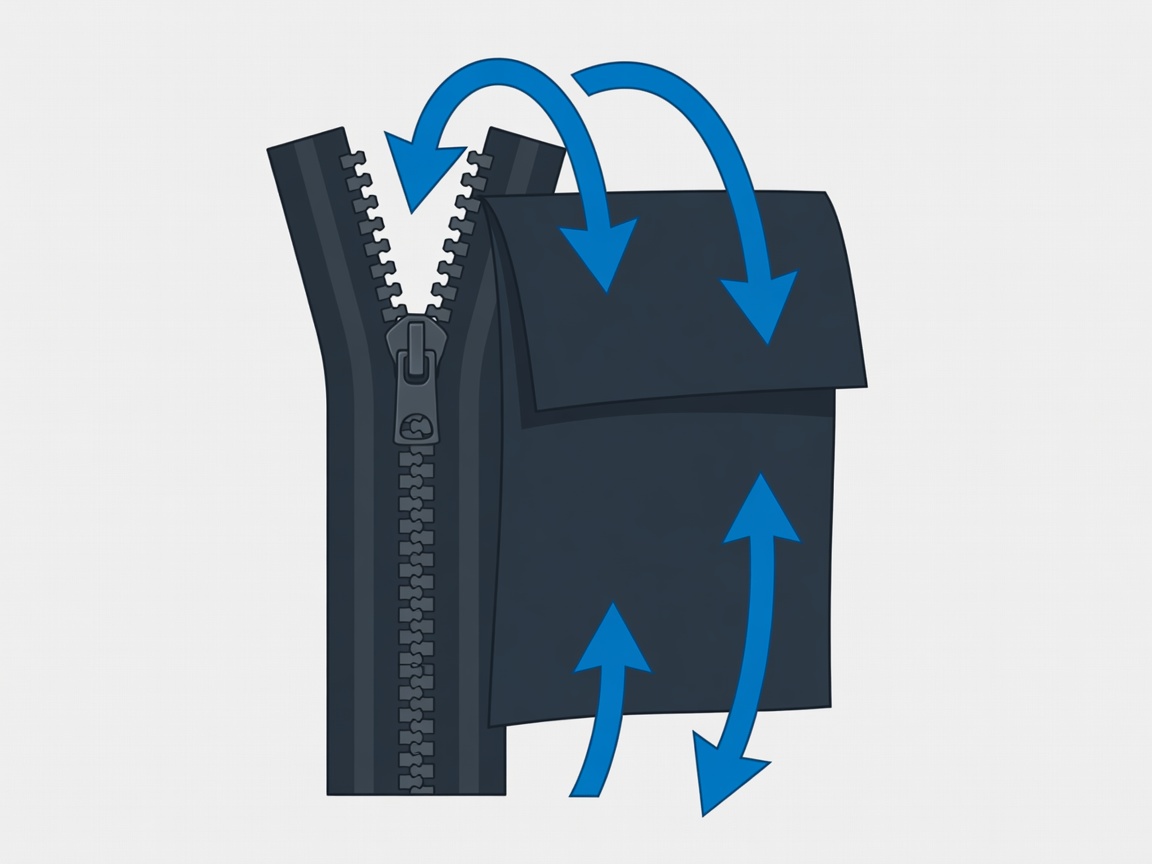 wind-driven rain
Zips and storm flaps
Coated zips are lighter; storm flaps are more forgiving when grit or ice builds up.
Durability Without Overbuilding
Heavier fabrics and metal hardware last longer, but every gram is carried. For everyday winter commuting in Helsinki or Umeå, a robust pack with simple buckles and a liner may outlast lighter technical designs. For multi-day trips on the Kungsleden, weight matters more. Plastic buckles can become brittle in deep cold; large buckles and pull tabs you can work with mittens are more important than exotic materials.
Choose repairable gear where you can: replaceable buckles, standard zip sizes, and fabrics that can be patched. Then carry a small repair kit — tape, a needle, a spare buckle. That is the practical end of weatherproofing, and it leads straight into gear care.